
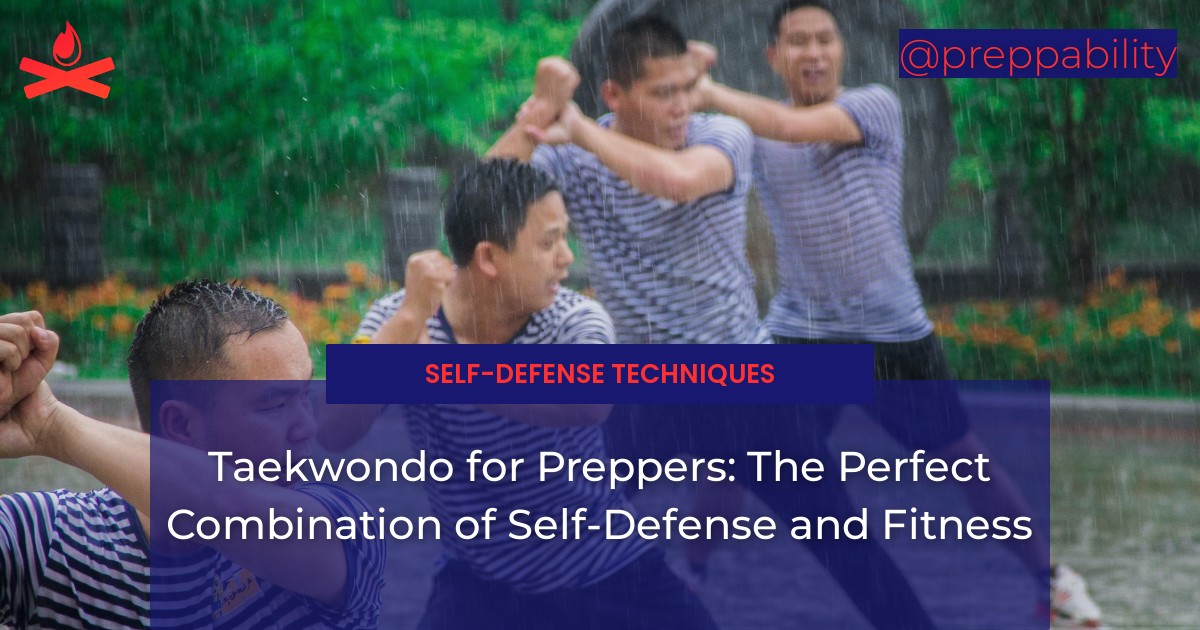
Taekwondo is a martial art that originated in Korea and has gained popularity all over the world. Known for its dynamic and powerful kicks, taekwondo is not only a form of self-defense but also a great way to stay fit and improve mental discipline. For preppers, individuals who are focused on being prepared for any emergency situation, taekwondo is the perfect combination of self-defense and fitness. In this article, we will explore the benefits of taekwondo for preppers and how to incorporate it into a fitness routine. We will also discuss taekwondo techniques that are essential for self-defense and provide tips for practice and training.
Benefits of Taekwondo for Preppers
Improved Physical Fitness
Taekwondo is a full-body workout that improves strength, flexibility, and cardiovascular endurance. The constant movement and high-intensity nature of the training help to burn calories and build muscle. Practicing taekwondo also improves balance, coordination, and agility, making it a great way to stay physically fit.
Increased Mental Discipline
As a martial art, taekwondo emphasizes the importance of mental discipline and focus. Through training and practice, practitioners develop self-control, concentration, and determination. These mental qualities are essential for preppers who need to stay calm and focused in emergency situations.
ALSO READ
Enhances Self-Defense Skills
Taekwondo is a highly effective form of self-defense, teaching techniques to defend against attackers of all sizes and strengths. By practicing taekwondo, preppers can learn how to protect themselves and their loved ones in dangerous situations. Additionally, taekwondo can improve reaction time and spatial awareness, making it easier to anticipate and avoid potential threats.
Builds Confidence and Self-Esteem
Through taekwondo training, individuals gain a sense of accomplishment as they progress and improve their skills. This can lead to increased confidence and self-esteem, which is important for preppers who need to be self-reliant and confident in their abilities.
ALSO READ
Stress Relief and Mental Well-Being
Like other forms of physical exercise, taekwondo can help reduce stress and improve overall mental well-being. The focus on breathing and mindfulness during training can also have a calming effect on the mind and body. This is especially beneficial for preppers who may experience high levels of stress and anxiety in emergency situations.
Teaches Survival Skills
Taekwondo not only teaches self-defense techniques but also survival skills that can be useful in emergency situations. This includes learning how to fall safely, how to escape from grabs and holds, and how to use common objects as weapons for self-defense.
Promotes Teamwork and Community
In taekwondo, practitioners train together and support each other, creating a sense of community and teamwork. This can be valuable for preppers who may need to rely on others in emergency situations. Additionally, taekwondo can be a great way to meet like-minded individuals and build a support network.
How to Incorporate Taekwondo into a Fitness Routine
Warm-Up and Stretching
Before beginning any taekwondo training, it is important to warm up the muscles and joints to prevent injury. This can include light jogging, jumping jacks, and dynamic stretches. It is also important to stretch after training to improve flexibility and prevent muscle soreness.
Basic Taekwondo Techniques
Learning the basic techniques of taekwondo is essential for building a strong foundation. This includes stances, punches, kicks, and blocks. Practicing these techniques regularly will improve technique, speed, and power.
Cardio and Strength Training
Taekwondo training is a great way to improve cardiovascular endurance, but it is also important to incorporate other forms of cardio and strength training into a fitness routine. This can include running, cycling, and weightlifting to improve overall physical fitness.
Sparring and Partner Drills
To improve reaction time and technique, it is important to incorporate sparring and partner drills into taekwondo training. This also helps to simulate real-life self-defense scenarios and prepares preppers for potential threats.
Cool Down and Stretching
After a training session, it is important to cool down and stretch to prevent injury and promote muscle recovery. This can include static stretches and foam rolling to release tension and improve flexibility.
Taekwondo Techniques for Self-Defense
Strikes and Kicks
Taekwondo is known for its powerful kicks, which can be used for self-defense, but it also teaches effective striking techniques with the hands. These techniques can be used to strike vulnerable areas of an attacker’s body, such as the eyes, nose, throat, or groin.
Blocks and Evading Techniques
Taekwondo also teaches techniques for blocking and evading attacks. This is important for preppers to learn in order to protect themselves and create opportunities for counter-attacks.
Joint Locks and Takedowns
In addition to strikes and kicks, taekwondo also teaches techniques for controlling an attacker through joint locks and takedowns. This can be useful in situations where physical force needs to be used to defend oneself.
Weapon Defense
Taekwondo training also includes techniques for defending against weapons, such as knives or guns. This is important for preppers who may encounter armed attackers in emergency situations.
Multiple Attackers and Unarmed Combat
In taekwondo, practitioners learn how to defend against multiple attackers and how to fight in close quarters. These skills are essential for preppers who may need to defend themselves in various situations and against multiple attackers.
Mental Preparedness and Situational Awareness
Taekwondo not only teaches physical techniques but also promotes mental preparedness and situational awareness. Practitioners learn to anticipate potential threats and stay calm and focused in dangerous situations.
Practice and Training Tips
- Consistency is key in taekwondo training. Regular practice will lead to improvement and mastery of techniques.
- Always listen to and follow the instructions of a qualified taekwondo instructor.
- Stay hydrated and fuel your body with nutritious food to support your training and physical fitness.
- Practice outside of the training studio to improve muscle memory and adaptability to different environments.
- Train with different partners of varying sizes and strengths to become more well-rounded in self-defense techniques.
- Remember to always prioritize safety and respect in taekwondo training.
Conclusion
Taekwondo is a versatile and effective martial art that offers numerous benefits for preppers. From physical fitness and mental discipline to self-defense and survival skills, incorporating taekwondo into a fitness routine can greatly benefit those focused on being prepared for any situation. By regularly practicing taekwondo techniques and following training tips, preppers can develop the physical and mental strength needed to handle emergency situations with confidence and skill.
RELATED ARTICLES: